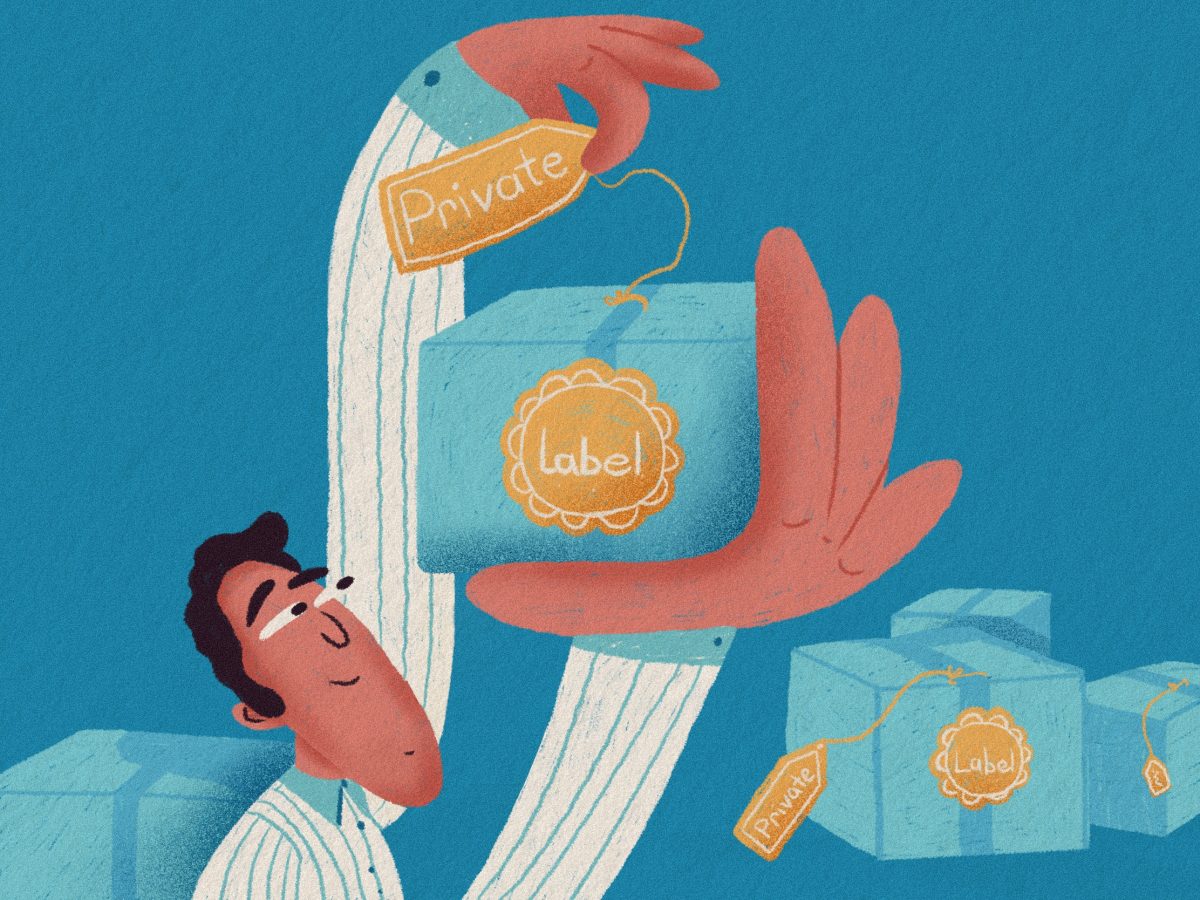
In the competitive world of e-commerce, it's getting harder to stand out with generic products. Private label products offer the solution: building your own brand that isn't directly comparable to competitors. In this article, we'll explain why private labeling is a must for bol.com sellers.
What are private label products?
Private label products are products you purchase from a manufacturer or supplier, but sell under your own brand name. Instead of selling the product with the original (white label) brand, you create your own branding, packaging, and identity.
Examples of successful private labels are everywhere:
- Store brands of supermarkets (Albert Heijn, Jumbo)
- Amazon Basics products
- Many successful bol.com sellers
Why is private labeling essential?
1. No direct price competition
With a white label product, you're competing directly with other sellers offering the exact same product. The only thing you can do is lower the price. With a private label product, you're the only seller, so you set the price yourself.
2. Higher profit margins
Since you don't have to compete on price, you can maintain healthy margins. Customers are willing to pay more for a branded product with a professional look than for a generic alternative.
3. Building brand value
Every sale contributes to your brand awareness. Satisfied customers remember your brand name and come back. This creates a snowball effect: the more you sell, the stronger your brand becomes.
4. Control over your listing
With private label products, you own the product listing on bol.com. Other sellers can't just start selling on your listing, which protects you from hijackers.
Getting started with private labeling
Step 1: Product selection
Choose a product with proven demand but limited brand competition. Look for products where customers aren't specifically looking for a brand, but a solution to their problem.
Step 2: Finding a supplier
Work with a reliable supplier who is open to private labeling. Discuss options for custom packaging, logos, and product adjustments.
Step 3: Brand registration
Register your brand with the Benelux Office for Intellectual Property (BOIP). This costs around €244 and provides legal protection for your brand name.
Step 4: Professional branding
Invest in a professional logo, packaging design, and product photography. This is your first impression on customers and must convey quality.
Step 5: Launch and marketing
Launch your product with a strong listing, collect reviews, and build your brand through social media and content marketing.
The future is private label
With the arrival of Amazon in the Netherlands and increasing competition, it's becoming more important to stand out. Private labeling is no longer optional - it's essential for long-term success on bol.com.
Start small, learn from your experiences, and build your brand step by step. The investment in time and money will pay off in a sustainable, profitable e-commerce business.